The New NPS Guide: Why Retiring at 60 Is No Longer the Only Option in India
Introduction
For decades, retirement in India was associated with one fixed milestone — retiring at the age of 60. However, with rising life expectancy, changing work culture, and flexible financial systems, this traditional idea is rapidly evolving.
The National Pension System (NPS) has played a major role in this transformation. Today, retirement is no longer age-bound but financially and personally driven.
This beginner-friendly guide explains how the new NPS rules allow individuals to retire earlier, later, or gradually, making 60 just an option — not a rule.


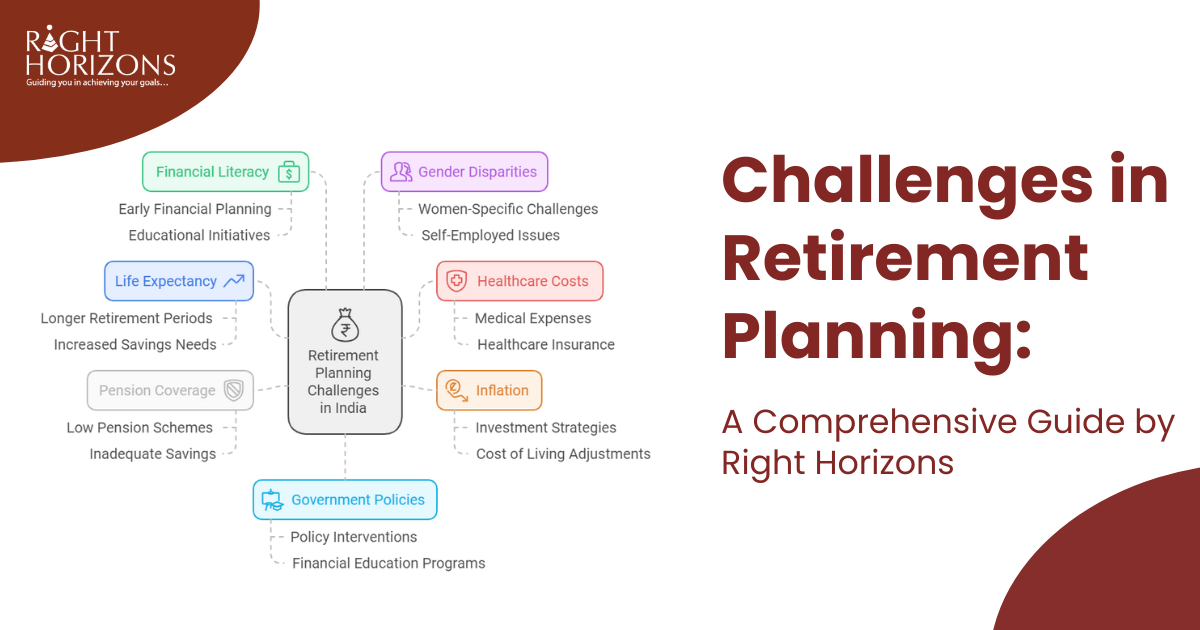
What Is the National Pension System (NPS)?
The National Pension System (NPS) is a government-regulated, long-term retirement savings scheme open to all Indian citizens.
In simple terms:
You invest regularly during your working years
Funds are invested in equity, corporate bonds, and government securities
At retirement, you receive:
A lump sum amount
A monthly pension (annuity)
It is designed to provide financial security after retirement.
The Traditional Retirement Model in India
Earlier, retirement planning followed a fixed structure:
Retirement age fixed at 60
Mostly designed for government employees
Limited withdrawal and investment flexibility
Dependence on pension or family support
This model no longer fits today’s dynamic lifestyles and careers.
Why Retiring at 60 Is No Longer Mandatory Under NPS
1. Flexible Exit Age
Under the new NPS guidelines, subscribers are not forced to retire at 60.
You can:
Exit early (after completing 10 years in NPS)
Continue investing beyond 60
Delay final exit up to the age of 75
This flexibility allows retirement based on financial readiness, not just age.
2. Longer Life Expectancy & Active Lifestyles
People today live longer and healthier lives.
This means:
Early retirement may increase the risk of outliving savings
Working longer helps build a larger pension corpus
NPS supports long-term income planning
3. Phased or Partial Retirement Option
NPS supports a gradual transition into retirement.
You can:
Shift from full-time to part-time work
Start freelancing or consulting
Withdraw pension income in stages
Stay financially active without full retirement
NPS Withdrawal Rules Explained (Beginner-Friendly)
At normal exit (60 or later):
Up to 60% of the total corpus can be withdrawn as a tax-free lump sum
Minimum 40% must be used to purchase an annuity (monthly pension)
If the total corpus is small:
Full withdrawal may be allowed
Helpful for low-income or small investors
Who Should Consider This New NPS Flexibility?
This updated NPS structure is ideal for:
Young professionals planning early retirement
Private-sector employees
Freelancers and gig workers
Entrepreneurs and self-employed individuals
Anyone seeking flexible retirement planning
Key Benefits of the New NPS System
✅ Flexible retirement age
✅ Low-cost investment structure
✅ Tax benefits under multiple sections
✅ Suitable for beginners
✅ Government-regulated and transparent
Important Things Beginners Should Remember
Before relying only on NPS:
Start investing early for better compounding
Review asset allocation periodically
Understand annuity options clearly
Combine NPS with other savings like PF, mutual funds, or FDs


Comments
Post a Comment