
The Silent Crisis We Breathe Every Day
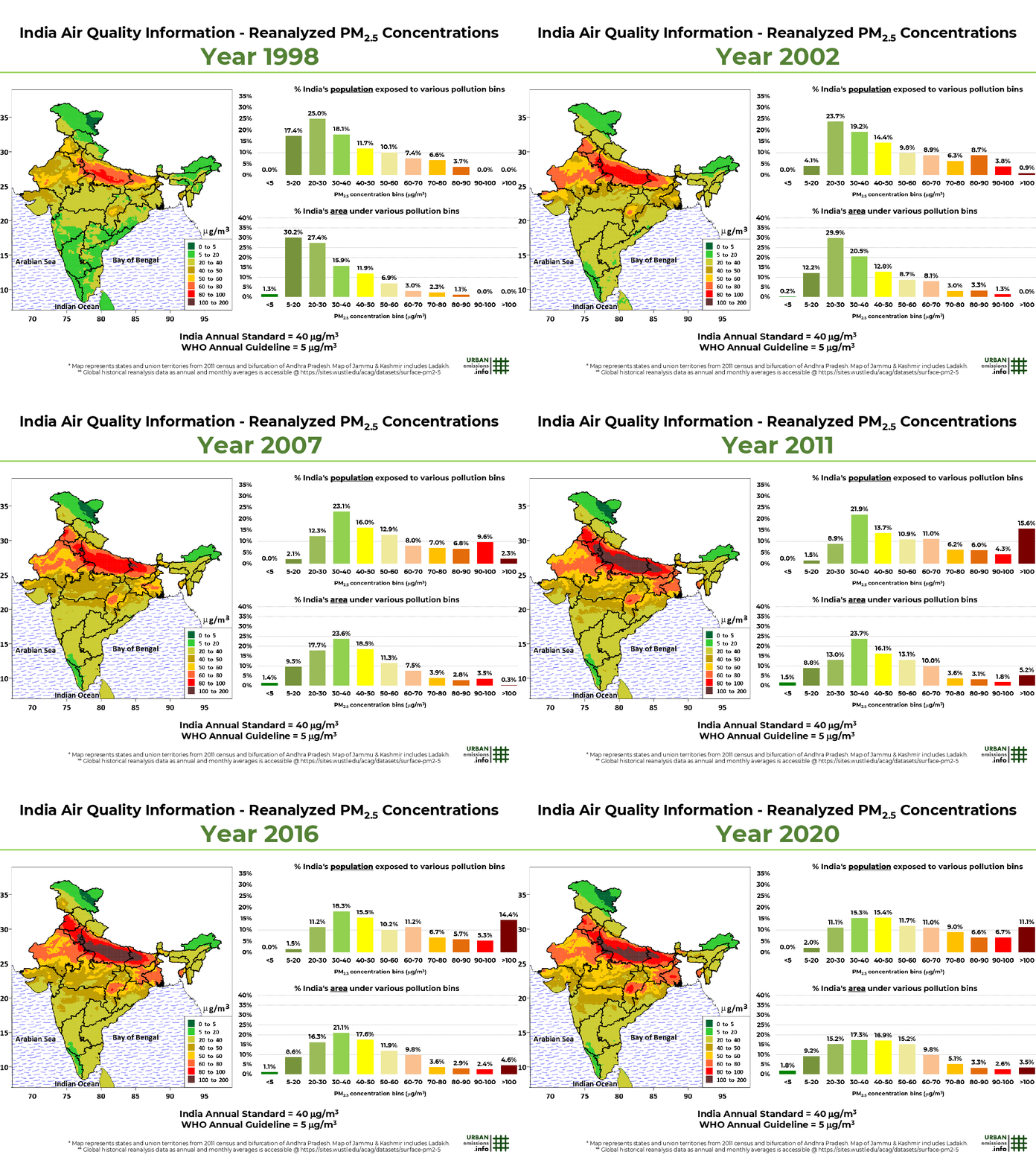
Air pollution in India is no longer a seasonal inconvenience—it is a constant, invisible threat. What once spiked during winter smog months has now turned into a 365-day public health emergency affecting cities, towns, and even rural areas. From crowded metros to quiet villages, millions of Indians inhale polluted air daily without realizing the long-term damage being done to their bodies.
According to global health assessments, India consistently ranks among the most polluted countries in the world. Fine particulate matter, toxic gases, and chemical pollutants penetrate deep into the lungs, bloodstream, and even the brain. The result? Rising cases of asthma, heart disease, strokes, lung cancer, and reduced life expectancy.
This article explores why air pollution in India has become a year-round crisis, its health impacts, root causes, vulnerable populations, and what must change—urgently.
Understanding Air Pollution in India
Air pollution in India refers to the presence of harmful substances in the air at levels that pose serious health risks. The most dangerous pollutant is PM2.5—tiny particles smaller than 2.5 microns that bypass the body’s natural defenses.
Major Air Pollutants
PM2.5 and PM10 – Fine dust and soot particles
Nitrogen Dioxide (NO₂) – Emitted by vehicles and power plants
Sulfur Dioxide (SO₂) – From coal-based industries
Ozone (O₃) – A harmful ground-level gas
Carbon Monoxide (CO) – From incomplete fuel combustion
Unlike visible smoke, these pollutants are often odorless and invisible, making them especially dangerous.
Why Air Pollution Is No Longer Seasonal
Earlier, air pollution peaks were linked to winter temperature inversion and crop burning. Today, pollution persists throughout the year due to multiple overlapping factors:
Construction dust in expanding cities
Climate change intensifying stagnation of air
Cities like Delhi, Mumbai, and Kolkata now experience unhealthy air even during monsoons.
Health Impacts: Damage from Head to Toe
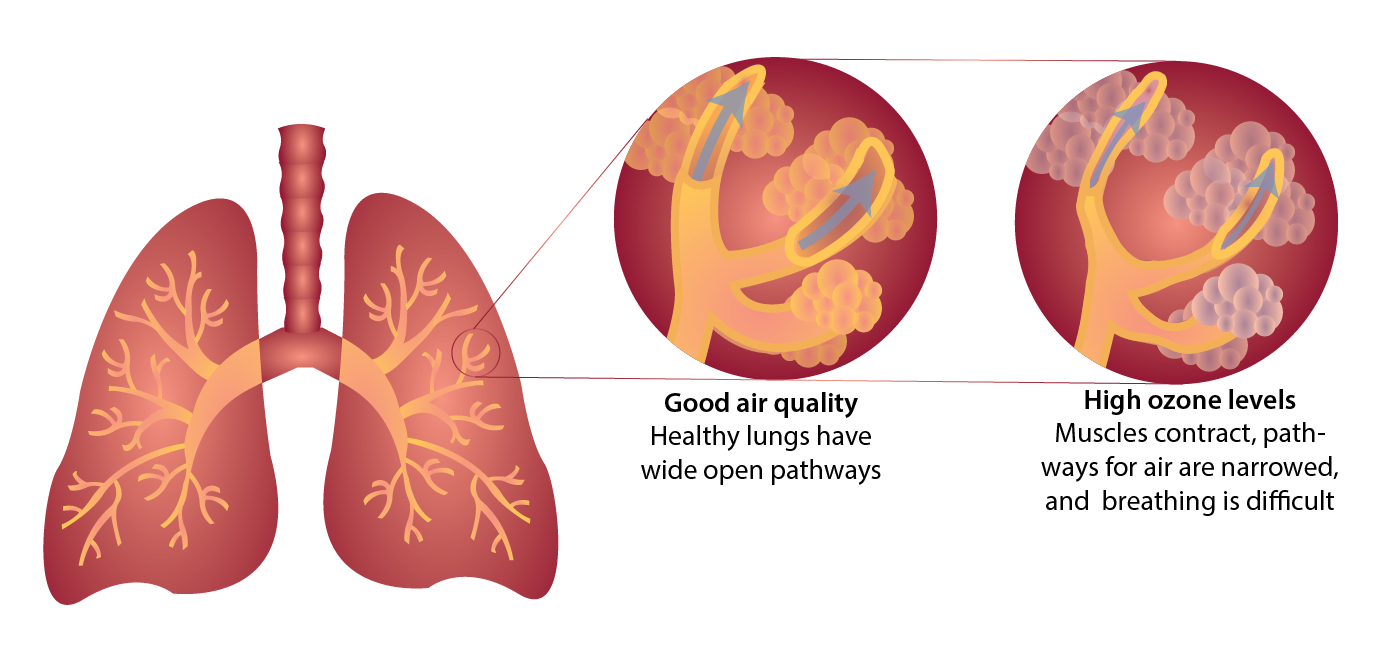
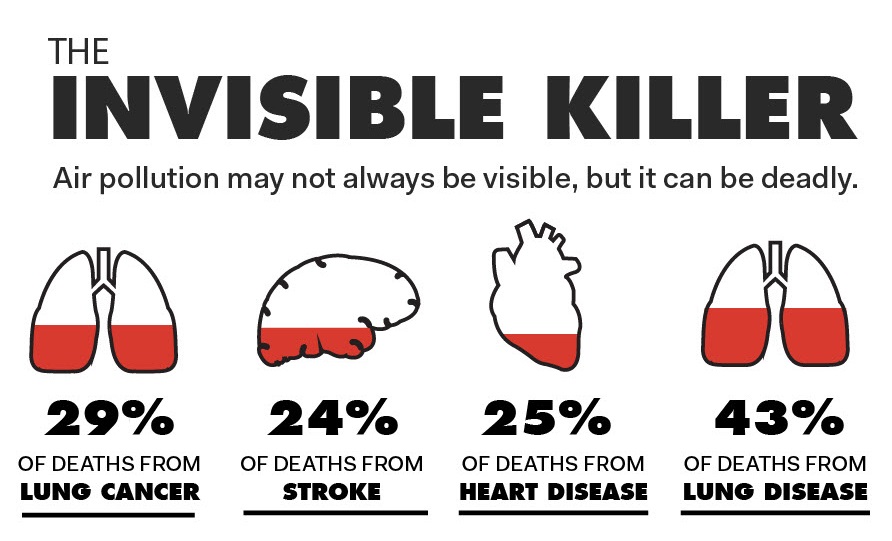
Respiratory System
Asthma
Lung cancer
Heart and Blood Vessels
Brain and Mental Health
Pregnancy and Children
Premature births
Impaired brain development
Higher infant mortality
According to World Health Organization, air pollution is one of the biggest environmental health risks globally.
Who Suffers the Most?
While everyone is exposed, some groups face greater risks:
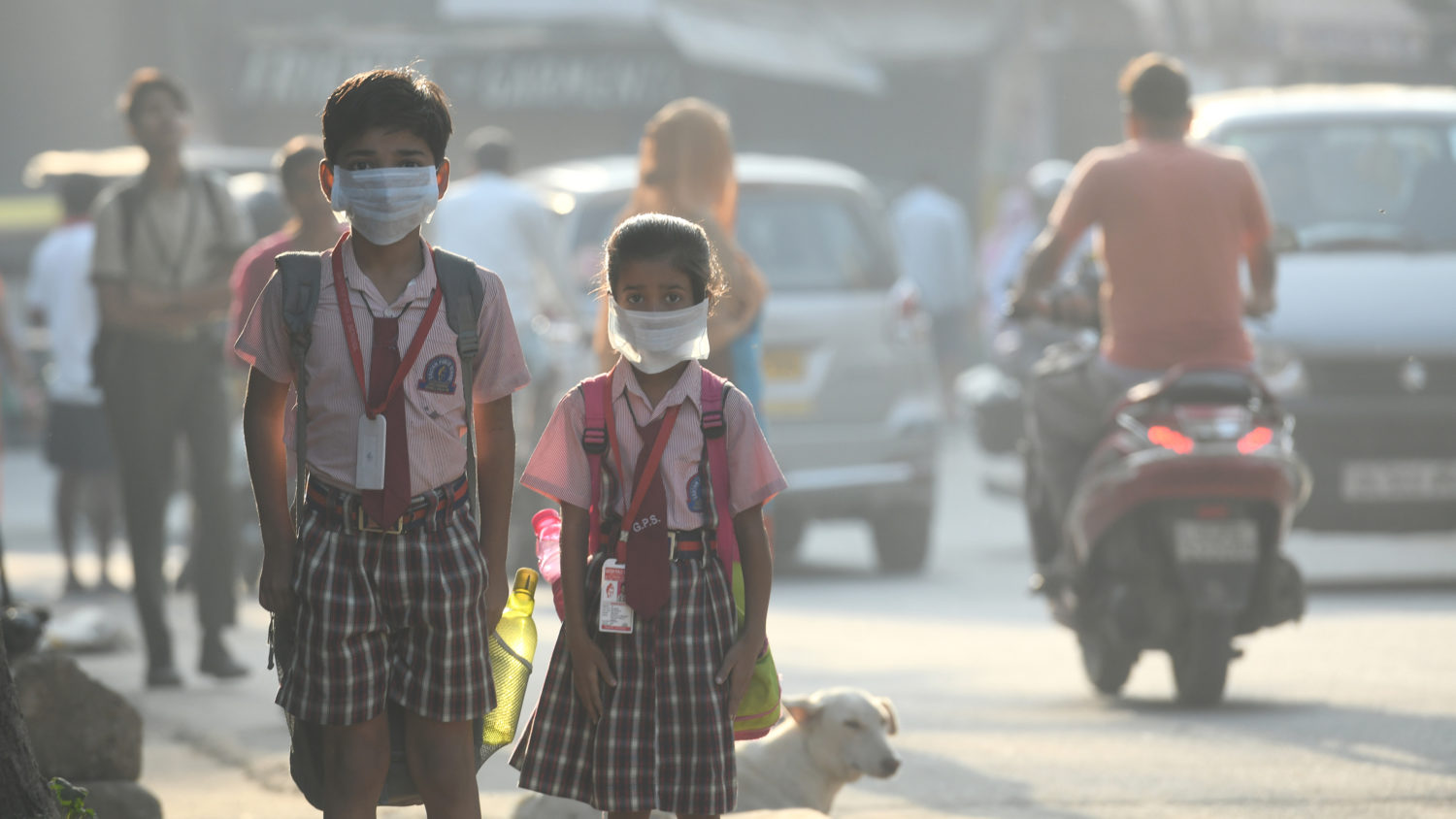
Children – Developing lungs and brains
Elderly – Weaker immunity and existing conditions
Outdoor workers – Traffic police, vendors, construction workers
Low-income households – Limited access to clean fuels
Rural populations also suffer due to indoor air pollution from firewood and cow-dung cooking.
Economic and Social Costs
Air pollution in India costs billions annually through:
Healthcare expenses
Lost productivity
Premature deaths
Reduced workforce efficiency
Studies estimate that pollution-related illnesses shave years off India’s average life expectancy, threatening long-term economic growth.
Government Action: Progress and Gaps
India launched the National Clean Air Programme (NCAP) to reduce particulate pollution. Measures include:
Cleaner fuel standards (BS-VI)
Promotion of electric vehicles
Monitoring air quality in more cities
However, enforcement gaps, slow infrastructure change, and weak penalties limit effectiveness.
What Can Individuals Do Right Now?
Track AQI daily using official apps
Wear N95 masks during high pollution
Use indoor air purifiers
Avoid outdoor exercise during peak pollution
Support public transport and clean energy
Small actions, when multiplied across millions, make a real difference.
Frequently Asked Questions (FAQs)
1. Why is air pollution in India so severe?
Rapid urbanization, coal dependence, traffic congestion, and weak enforcement contribute to high pollution levels.
2. Is air pollution worse in winter only?
No. Pollution now remains high throughout the year due to continuous emissions and climate factors.
3. How dangerous is PM2.5?
PM2.5 penetrates deep into the lungs and bloodstream, causing heart, lung, and brain diseases.
4. Can air purifiers help indoors?
Yes, good-quality air purifiers significantly reduce indoor pollution exposure.
5. Are children more affected by air pollution?
Yes. Pollution affects lung growth, brain development, and immunity in children.
6. What is a safe AQI level?
According to WHO guidelines, PM2.5 should not exceed 5 µg/m³ annually—levels rarely met in Indian cities.
The Way Forward: Clean Air Is Not Optional
Air pollution in India is no longer an environmental issue—it is a national health emergency. Clean air must be treated as a basic human right, not a privilege. This requires coordinated action from governments, industries, and citizens alike.
Without urgent reforms, the invisible damage will continue to shorten lives, burden healthcare systems, and rob future generations of their potential.
External Resource:
Learn more about air quality standards at the official WHO website: https://www.who.int


Comments
Post a Comment